
Quick Answer
A shower that swings hot and cold is usually caused by a pressure drop when another tap or the toilet is used, a sticking tempering valve, a worn mixer cartridge, or a continuous flow heater switching off at low flow. If it turns cold after a while and stays cold, the hot water system is running out. Temperature settings are licensed work.
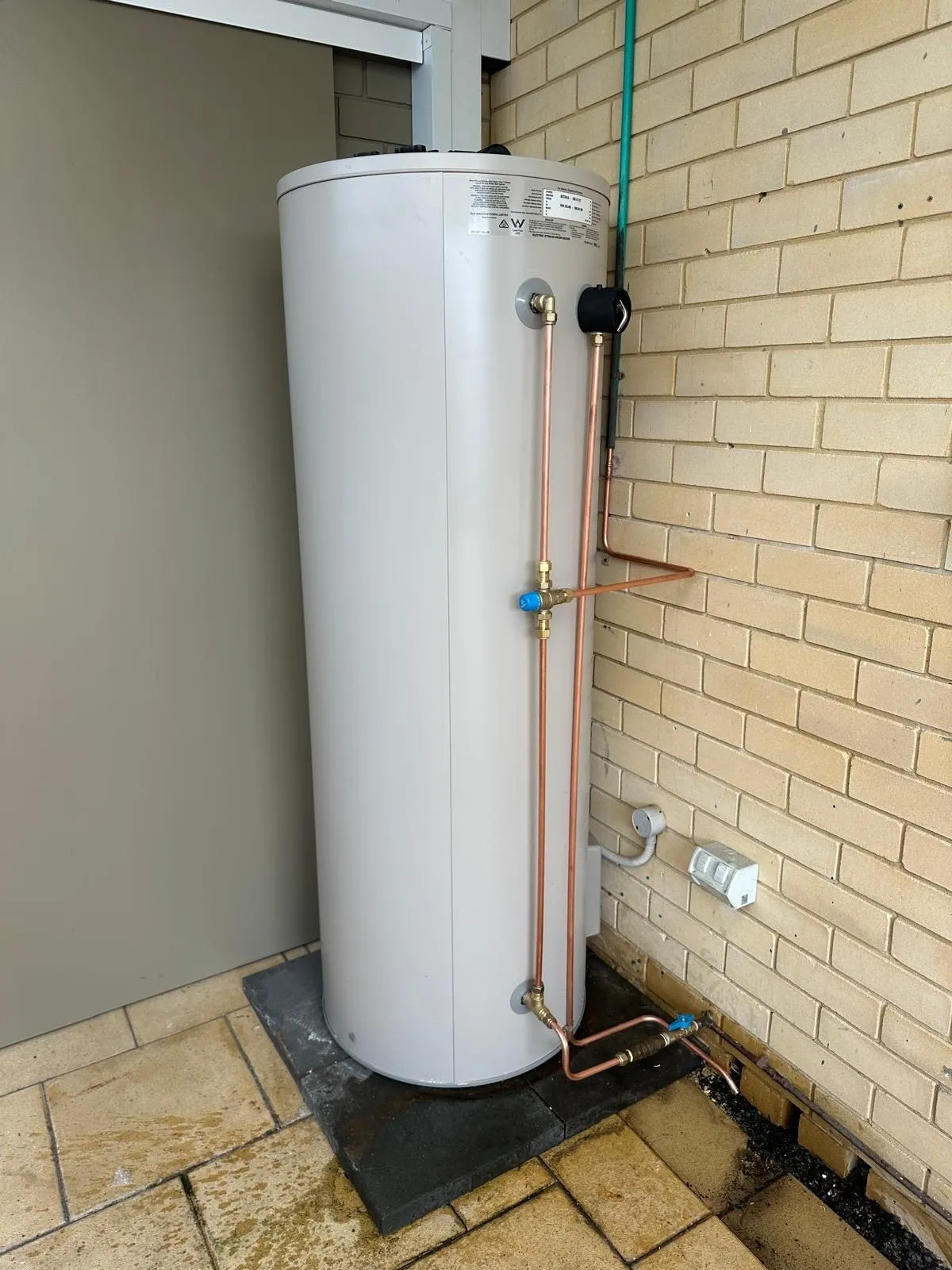
You get the shower just right, then it turns scalding when someone flushes, or a cold blast hits halfway through. It is one of the most common complaints we hear, and one of the easiest to narrow down.
The trick is noticing exactly when the temperature changes. That points to the cause more reliably than anything else.
When does it change?
When someone flushes or turns on a tap: a pressure change in the supply. Read the next section.
Every so often for no reason, drifting hotter or colder: often the tempering valve or the shower mixer.
A short cold burst, then hot again: typical of a continuous flow (instantaneous) heater cutting out and restarting.
Hot for a while, then cold and it stays cold: the hot water system is running out, or not heating fully.
Someone else uses water
The shower mixes hot and cold. When the toilet refills or the kitchen tap runs, it draws on the cold supply, so less cold reaches the shower and the mix turns hotter. When someone runs hot water elsewhere, the shower turns colder.
A small change is normal. A big swing usually means the pipes are small or old for the house, or the water pressure is uneven between hot and cold. In older Sydney homes, galvanised pipe that has narrowed with rust is a common reason. Our guide to water pressure covers how hot and cold pressure gets out of balance.
The tempering valve
Most homes have a tempering valve near the hot water system. It blends hot and cold so the water reaching the bathroom is cooler and safer than the water in the tank. Some homes have a thermostatic mixing valve (TMV), which controls the temperature more precisely.
Over time, scale and grit can make a valve stick or respond slowly, so the shower drifts or swings. Many manufacturers recommend these valves be checked and serviced periodically, and they don’t last forever. Adjusting or replacing one is licensed work, because it sets the hottest water that can reach your bathroom. Our tempering valve and TMV page explains what is involved.
A worn mixer
Inside a shower mixer is a cartridge that blends the hot and cold. When it wears or scales up, the handle becomes touchy: a tiny movement swings from cold to hot, or the temperature creeps while you stand there. A dripping shower head when it is turned off is often a sign of the same worn cartridge. Replacing the cartridge is usually the whole repair.
Continuous flow systems
A continuous flow (instantaneous) system heats water only while it is flowing, and it needs a minimum flow to stay on. If the mixer is turned down low, or a water-saving shower head is very restrictive, it can switch off and on. Each restart sends a short slug of cold water through.
Running the shower a little harder often stops it. If it happens when two showers run at once, the heater may be too small for the house, or its gas supply may not keep up.
Running out of hot water
If the shower is fine at first and then turns cold for good, the storage tank is emptying faster than it heats. That can be a full house on a cold morning, a failed element or thermostat in an electric system, or a tank reaching the end of its life. Our guide to hot water not working covers the safe checks you can do first.
Don’t turn up the thermostat on the tank to compensate. It raises the scald risk, and setting it is licensed work too.
What we check
When we come out for a shower that won’t hold its temperature, we work from the supply to the shower head. We check the water pressure on the hot and cold sides, the temperature coming out of the hot water system and out of the tempering valve, and how the mixer responds as we turn it.
That usually shows which part is at fault within a few minutes, so you only pay to fix the part that needs it: a cartridge, a valve, or the hot water system itself. You get a fixed price before any work starts.
FAQs
Why does my shower go hot when someone flushes the toilet?
The toilet draws on the cold supply, so for a few seconds less cold water reaches the shower and the mix turns hotter. It is common in older homes with smaller or ageing pipes. A tempering valve or a pressure-balancing mixer, and sometimes better pipework, can fix it.
Why does my shower suddenly go cold for a few seconds?
With a continuous flow (instantaneous) system, the heater can switch off if the flow drops below its minimum, for example when the mixer is turned down low or someone else turns on a tap, then fire up again. Water already in the pipe comes through cold in between. Running the shower a little harder often stops it.
Can I adjust my tempering valve myself?
No. In NSW, setting or adjusting a tempering valve or thermostatic mixing valve is work for a licensed plumber. It controls the maximum temperature at your bathroom taps, which protects against scalds, and has to be set and checked properly.
Shower Still Won’t Hold Its Temperature?
Mr. Clog finds the cause and fixes it across Sydney, from tempering valves to mixers to hot water systems, with no call-out fee and a fixed price before any work starts.