
Mr. Clog Plumbing
Water Leak Detection Sydney: Hidden Leaks in Walls, Slabs & Ceilings
Rising water bill, damp walls or a stain on the ceiling? We find hidden leaks without tearing up walls or floors, then fix them.
No surprise bills: $0 call-out and a fixed price before any work starts.
Our guarantee: 12 months on our workmanship, in writing. What it covers
Not sure what’s wrong? Text a photo of the problem to 0459 715 336 and we’ll take a look.
About This Service
Hidden water leaks can do a lot of damage before anyone sees them. Mr. Clog uses acoustic leak detection and thermal imaging technology to locate leaks inside walls, under slabs, and underground, along with moisture readings, pressure testing and tracer dye, with minimal disruption to your property. This page covers the signs of a hidden leak, the water meter test you can do yourself, how we find the leak, and what happens once it is found.
What’s Included
- Non-invasive acoustic and thermal imaging technology
- Leaks found under slabs, behind walls, and underground
- Fast, accurate location — no unnecessary digging
- Report provided with leak location
- Repair quote included
Fixed price quoted before we start. $0 call-out fee.
Ready to book?
(02) 9139 8945 — available 24/7Signs of a Hidden Water Leak
Most hidden leaks show up somewhere other than where the water is escaping. These are the signs worth acting on.
A water bill that has jumped
A bill noticeably higher than the same period last year, with no change in how the household uses water, is often the first sign of a leak on a pipe that is under pressure day and night.
Damp patches, stains and mould
Damp or discoloured patches on walls and ceilings, bubbling or peeling paint, swollen skirting boards, and mould or a musty smell in one room usually mean water is getting into the wall or floor from somewhere nearby.
The sound of running water
Water you can hear running, hissing or trickling when every tap is off, often inside a wall or under the floor, points to a leaking supply pipe.
Warm spots on the floor
A warm patch on a tiled or concrete floor, with no heating under it, can mean a hot water pipe is leaking under the slab.
Water where it shouldn't be
Water around the base of the toilet, under a bath, through a ceiling below a bathroom, or a strip of lawn that stays wet in dry weather can all trace back to a hidden leak.
The Water Meter Test You Can Do Yourself
Before you call anyone, this simple test tells you whether water is escaping from a pressurised pipe.
Turn everything off
Turn off every tap inside and out, and anything else that uses water: the dishwasher, washing machine, irrigation and any pool top-up. Wait until the toilet cisterns have finished filling.
Read the meter
Note the reading on your water meter, or take a photo of it, then leave everything off for at least an hour, ideally two, without using any water.
Read it again
If the numbers have moved, water is leaking somewhere between the meter and your taps, and it is time to find it. If they have not moved, the pipes are probably sound, and a leak that only shows when a shower or bath is used is more likely.
How We Find the Leak
The aim is to find the leak precisely, so only the small area that needs repairing is opened up.
Acoustic listening
Water escaping from a pipe under pressure makes a sound. Acoustic listening devices pick it up through walls, floors and slabs, so we can trace the pipe and narrow down where the leak is.
Thermal and moisture readings
Thermal cameras show temperature differences behind a surface, which is especially useful for hot water pipes. Moisture readings show how far the water has spread through a wall or floor, and where it is wettest.
Pressure testing
Isolating sections of pipe and testing them under pressure confirms which part of the system is leaking, including lines under a concrete slab.
Tracer dye
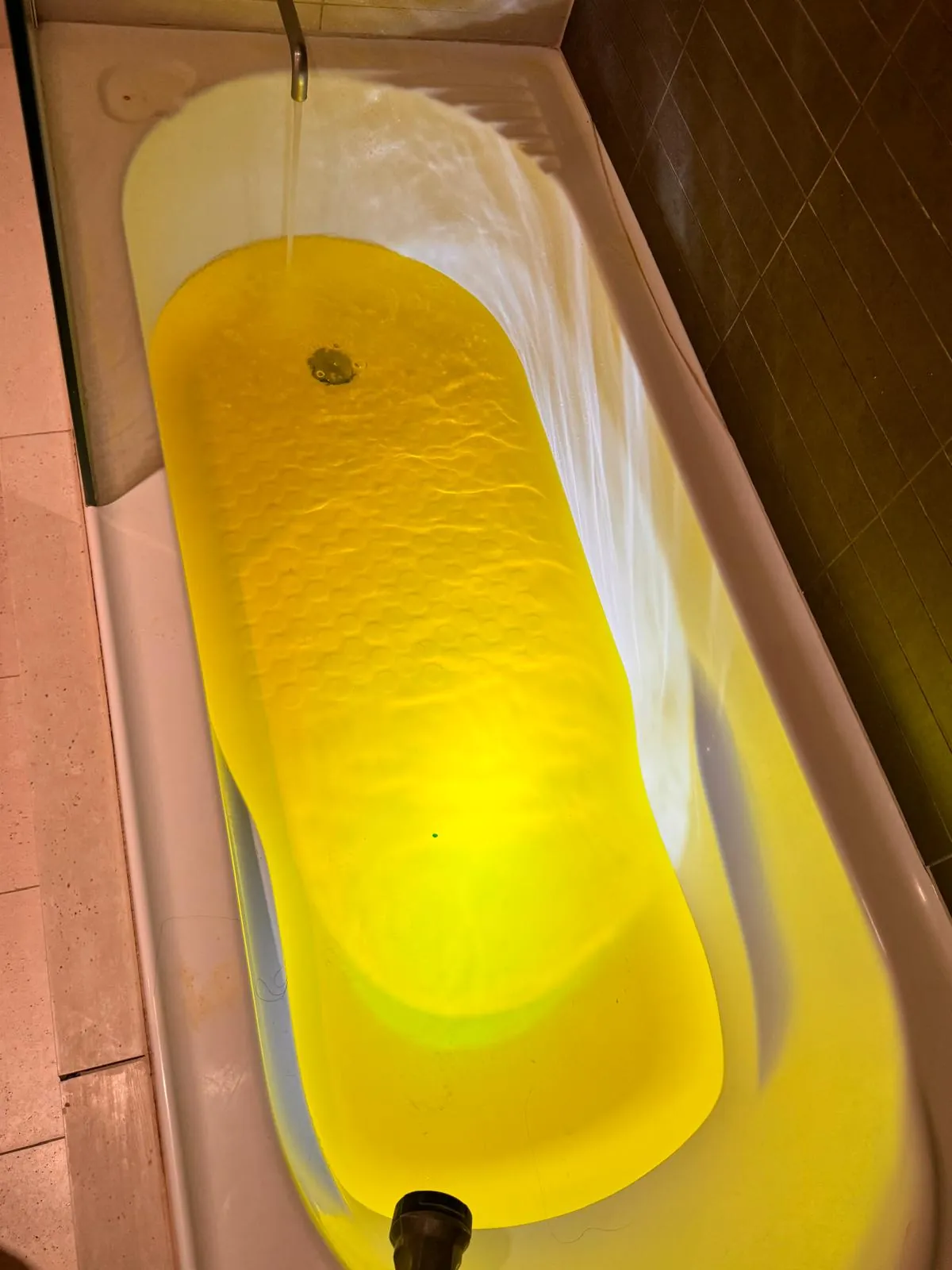
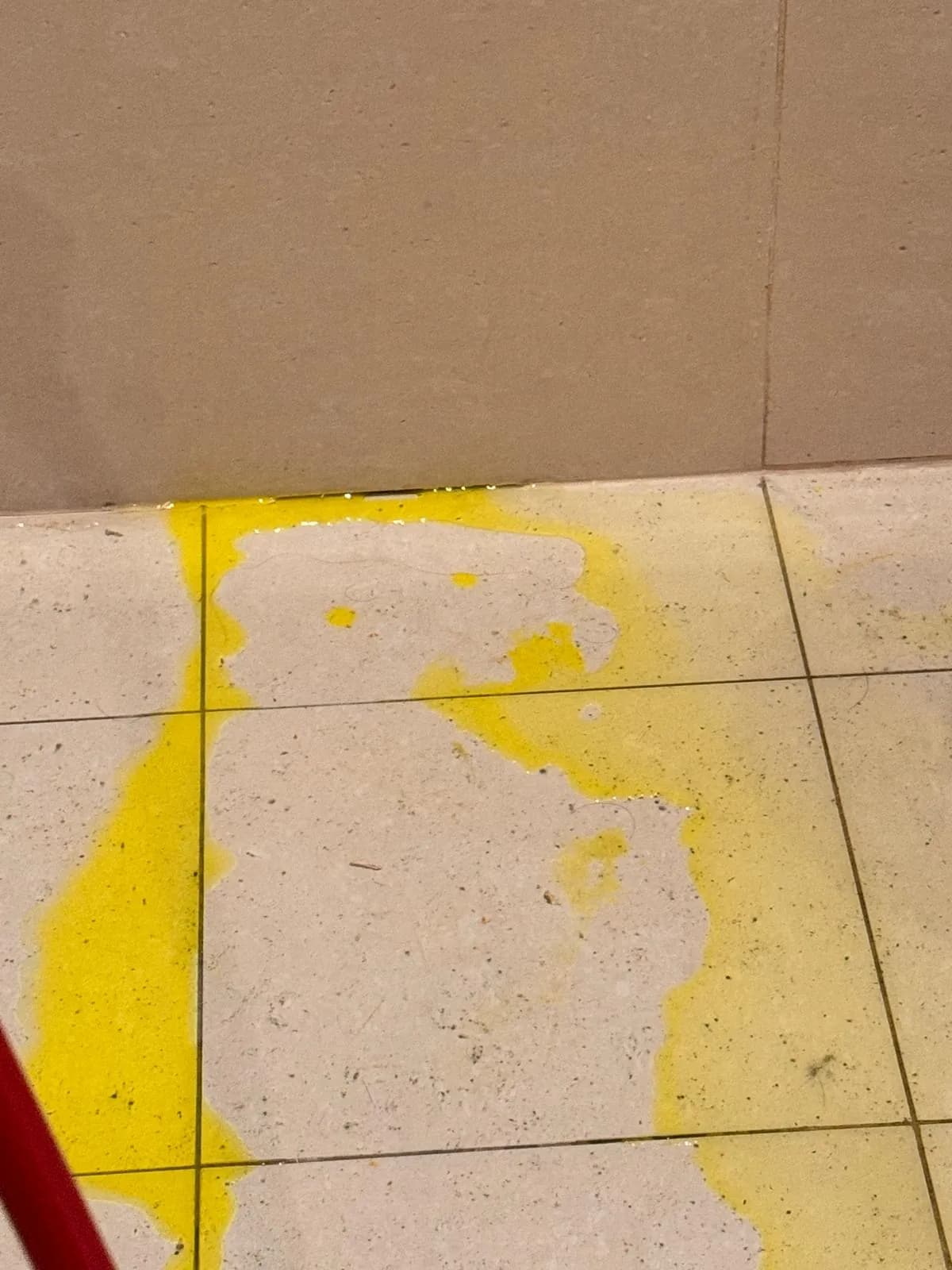
For leaks that only happen when a fixture is used, such as a bath or shower, water carrying a fluorescent tracer dye shows exactly where it escapes. Where the colour surfaces is where the water is getting out, found without lifting the floor.
What Happens Once the Leak Is Found
You get a clear report of where the leak is and what is causing it, and a quote for the repair before any work starts.
Repair
Most leaks are fixed by opening up a small area at the right spot and repairing or replacing the faulty joint, fitting or short section of pipe. A leaking mixer, tap or toilet connection is repaired or replaced at the fixture.
Reline
Where the leak is in a cracked drain or sewer pipe that still holds its shape, pipe relining can seal it from the inside without digging up the floor or yard.
Replace
Where old pipework has corroded or failed along its length, replacing that section of pipe is the lasting fix. If a shower's waterproofing membrane has failed, the shower needs to be stripped back and rewaterproofed, which is specialist work in NSW.
By Suburb
Leak Detection Near You
What matters in Newtown is not what matters in Castle Hill. These pages cover what is specific to each area.
How It Works
Our Process
Site Assessment
We discuss your symptoms — high water bills, damp patches, mould — to narrow the search area.
Detection
We use acoustic listening devices, thermal cameras, moisture readings and, where it suits, tracer dye to pinpoint the leak non-invasively.
Report
We provide a clear report of the leak location and recommend the repair approach.
Repair
We carry out the repair — patching, pipe replacement, or relining as appropriate.
Common Leaks and Related Services
Common Questions
FAQs
How do I know if I have a hidden leak?
Signs include unexplained water bill increases, damp patches on walls or ceilings, bubbling paint or swollen skirting boards, the sound of running water when taps are off, warm spots on the floor, and mould growth.
How can I check for a leak myself?
Do the water meter test. Turn off every tap and water-using appliance, note the meter reading, and check it again after at least an hour, ideally two, without using any water. If the numbers have moved, water is escaping from a pipe somewhere.
How do you find a hidden leak?
We use acoustic listening devices and thermal cameras, along with moisture readings and pressure testing. For leaks from a bath or shower, a tracer dye test shows exactly where the water escapes.
Will you need to break tiles or walls?
We try to avoid it. Our detection technology locates the leak precisely so any access is minimal and targeted.
Can you detect leaks under a concrete slab?
Yes — this is one of our specialities. Slab leaks are detected acoustically and confirmed with pressure testing.
Can a leaking shower or bath be found without pulling the bathroom apart?
Usually, yes. A water meter test shows whether it is the pipes or the fixture, and a tracer dye test or moisture readings show where the water is getting out, so only the part that needs repairing is opened up.
What happens after the leak is found?
We give you a clear report of where the leak is and a quote for the repair. Depending on what we find, the fix is a repair at the leak, relining a cracked drain or sewer pipe, or replacing a failed section of pipe.
Is the detection charge separate from the repair?
We provide one transparent quote covering detection and repair. No hidden fees.
What Sydney Customers Say
Excellent service from Mr Clog! They responded quickly to my leaking pipe, identified the problem, and fixed it efficiently. The plumber was professional, friendly, and explained everything clearly. The pricing…
Just want to thank the team from Mr Clog for coming out today for an emergency water leak under my house. They were quick, reliable and fair priced. Thanks guys.
Mr Clog did a fantastic job! The pipe excavation work was completed quickly, efficiently and professionally, with everything handled smoothly. The price was very fair and the service was excellent from start to…
Get a Quote for Leak Detection
Prefer not to call? Send a few details and we’ll come back to you with an upfront fixed price.
Ready to Book?
Call now for fast, reliable service — $0 call-out fee, available 24/7.