
Quick Answer
Water through a ceiling comes from one of four places: the roof or gutters, a bathroom or kitchen above, a pipe under pressure, or the apartment upstairs. When it leaks is the best clue. Only in rain points to the roof. Only when the bathroom above is used points to that bathroom. All the time, with the water meter moving, points to a pipe. First, keep clear of wet light fittings.
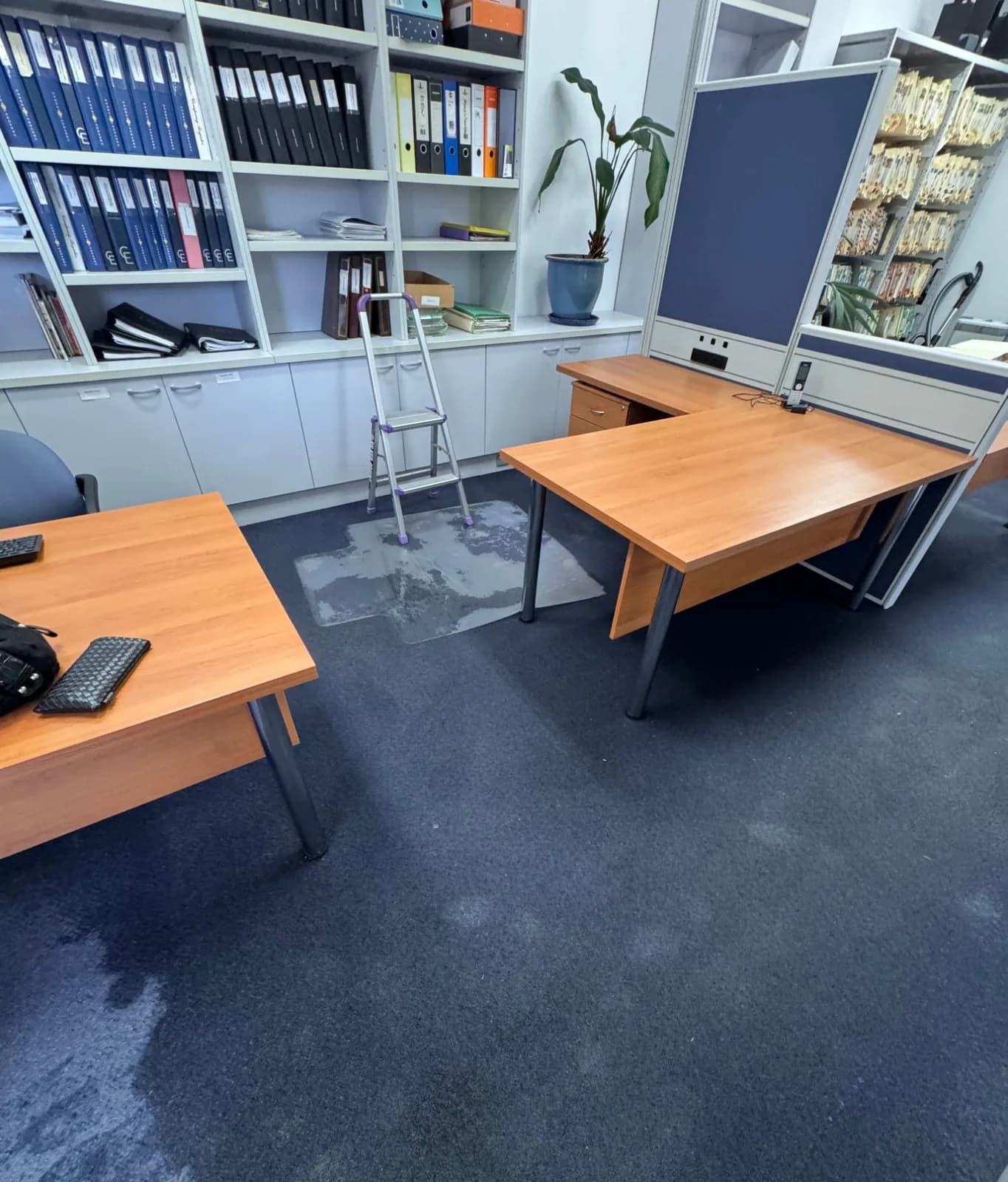
A brown ring on the ceiling, a bubble in the paint, or a steady drip onto the carpet. Water coming through a ceiling is alarming, and the instinct is to call whoever comes to mind first: a roofer, a plumber or the neighbour upstairs.
Working out where it is coming from before anyone starts cutting holes saves time and money. Start with safety, then use timing to narrow it down.
What to do first
Keep clear of electrics. If water is near a light fitting, downlight or ceiling fan, do not touch it or use the switch. Turn the power off at the switchboard if you can reach it safely without standing in water.
Keep people out from under a sagging ceiling. Plasterboard that is bulging with water can give way. Do not poke it, and keep children and pets out of the room.
Contain the water. Put down buckets and towels, and move furniture, rugs and electronics out of the way.
Stop the water if you can. If the drip is constant and you suspect a pipe, turn off the main stop tap, usually beside the water meter. Our guide to the first five minutes after a burst pipe covers this step by step.
Take photos of the ceiling and any damage before you clean up. Your insurer, or your strata manager, will want them.
When does it leak?
This is the most useful question you can answer, because the four sources behave differently. Watch the patch for a day or two, if it is safe to, and note when it gets wetter.
Only when it rains: the roof or gutters
A patch that appears or grows during or after rain, and dries out in between, is almost always roof water. The usual causes are a blocked or rusted gutter overflowing backwards into the eaves, a cracked tile or lifted sheet, or a failed flashing around a chimney, skylight or wall junction.
A leak near an outside wall, especially below a gutter, points to the gutter. One in the middle of the room points more to the roof itself. Our gutters and downpipes checklist walks through what to check from the ground and from a ladder.
Only when the bathroom above is used
If the patch is under a bathroom, laundry or kitchen, and gets wetter after someone showers, runs a bath or drains the sink, the water is escaping during use. The usual paths are a failed shower membrane or perished grout and silicone, the waste and overflow under a bath, or a leaking waste pipe.
Our guides to a shower leaking into the wall and a bath leaking underneath have simple tests to narrow down which fixture it is.
All the time: a pipe under pressure
A patch that stays wet, or keeps growing whether or not anyone uses water or it rains, points to a water supply pipe. Supply pipes are under pressure day and night, so a leak in one never stops.
The water meter test confirms it. Turn off every tap and water-using appliance, note the meter reading, and check it again an hour later without using any water. If it has moved, water is escaping somewhere. Our guide to detecting a hidden water leak explains how.
Two other things are worth checking if you have them: a hot water system in the roof space, which some older homes still have, and the condensation drain of a ducted air conditioner, which can block and overflow in summer. The air conditioner is a job for an air-conditioning technician rather than a plumber.
From the apartment above
In an apartment, water in your ceiling usually means the problem is upstairs: a burst flexible hose, a failed hot water cylinder, an overflowing bath, or a leaking shower. Contact the apartment above and your building or strata manager straight away, because stopping the water at the source is what limits the damage.
Who pays depends on where the leak starts. A fault in common property is generally the owners corporation’s responsibility, and a fault in an owner’s own fixtures is usually that owner’s. A plumber’s report showing where the water is coming from settles it. Finding that source without opening up two apartments is what our leak detection service is for.
FAQs
Is water coming through the ceiling an emergency?
It can be. Water near light fittings or a ceiling that is sagging needs attention straight away: keep people out from under it and switch the power off at the switchboard if it is safe to reach. A small dry stain that has not grown is not an emergency, but it is still worth finding the cause.
How do I know if a ceiling leak is from the roof or a pipe?
Timing is the best clue. A leak that only appears during or after rain is almost always the roof, gutters or flashings. One that appears when a bathroom above is used points to that bathroom. One that is there all the time, with the water meter moving when everything is off, points to a pipe under pressure.
Who pays for a leak from the apartment upstairs?
It depends on where the leak starts. A fault in common property is generally the owners corporation’s responsibility, and a fault in an owner’s own fixtures is usually that owner’s. Report it to your strata manager straight away, and keep photos of the damage.
Water Coming Through Your Ceiling?
Mr. Clog finds and fixes leaks across Sydney, 24/7, with no call-out fee and a fixed price before any work starts.