
Quick Answer
Before the first barbecue of summer, check the hose for cracks and stiffness, check the bottle’s test date or the bayonet connection, and clean any spider webs out of the burners. Then brush soapy water over every connection with the gas on and the burners off. Bubbles mean a leak: turn the gas off and fix it before lighting.
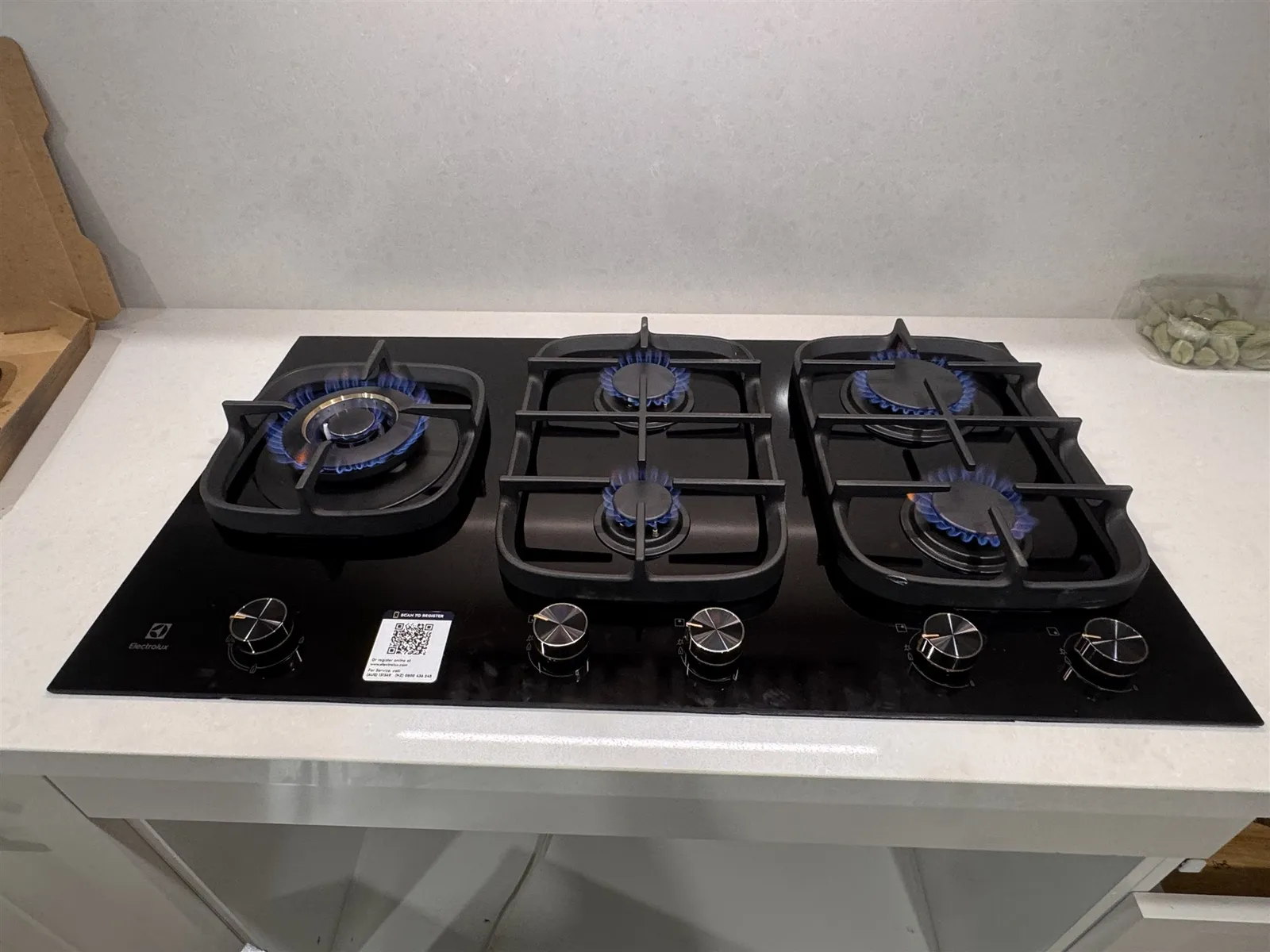
A barbecue that has sat under a cover since autumn has had months for a hose to perish, a fitting to work loose and spiders to move into the burners. None of that is obvious until you turn the gas on.
Ten minutes of checks before the first cook of the season is worth it. Most of them need nothing more than your eyes, a brush and some dishwashing liquid.
Check the hose and regulator
Run your hand along the full length of the gas hose. It should be flexible. Replace it if it is cracked, stiff, sticky, kinked, or chewed by a pet or a rat, or if it has been resting against a hot part of the barbecue.
Look at the regulator, the round fitting where the hose meets an LPG bottle. Damage, corrosion or a hissing sound means it needs replacing. Use a hose and regulator made for your barbecue and your gas type. LPG and natural gas parts are not interchangeable.
Bottle or bayonet
On an LPG bottle, find the test date stamped on the collar. Gas bottles have to be retested every ten years, and refill and swap outlets will not fill one that is out of date. Check the valve is not damaged, keep the bottle upright, and store spare bottles outdoors in the open, never inside the house, garage or under the floor.
On a natural gas bayonet, the quick-connect point on the wall or deck, check the fitting is clean and undamaged and that the hose plugs in fully and locks. A bayonet that is hard to connect, leaks, or has been knocked loose from the wall is a job for a licensed gas fitter, not something to force.
The soapy water test
This is the standard way to find a small leak, and it is the most useful check on the list.
1. Mix a little dishwashing liquid with water in a cup.
2. Make sure every burner is off, then turn the gas on at the bottle or bayonet.
3. Brush the mixture over the bottle valve, the regulator, both ends of the hose, along the hose itself, and the connection at the barbecue.
4. Watch for bubbles. A bubble that grows, or a patch of foam, means gas is escaping there. Turn the gas off. Tighten the connection or replace the part, then test again.
Never use a match or lighter to look for a leak. If a leak won’t stop, or it is at the bayonet or the pipework behind it, leave the gas off and call a gas fitter.
Burners and flames
Spiders and insects like to nest in the burner tubes over winter. A blocked tube can push gas and flame back out where it shouldn’t be. Clean the tubes with a pipe cleaner or brush, as the manual describes, before the first light.
When it is lit, the flames should be mostly blue and even. Yellow, lazy or uneven flames, or a burner that won’t stay lit, point to a blockage, a fault, or a barbecue set up for the wrong gas. Turn it off and get it checked.
If anything about your gas smells or behaves unusually, our guide to whether it is a gas leak covers the warning signs and what to do.
Where it sits
Barbecues are made for open air. Never use one inside, in a garage, or on a balcony or patio that has been closed in. Burning gas produces carbon monoxide, which you can’t see or smell.
Keep it clear of walls, eaves, timber and anything else that can burn, by the distances in the manufacturer’s manual. Keep the hose away from the hot parts of the barbecue and out of the way of feet.
When to call a gas fitter
Checking and replacing a bottle hose and regulator is something owners do. Anything on the house’s gas supply is licensed work in NSW. Call a licensed gas fitter for:
- A leak at a bayonet, or in the gas pipe behind it, or one you can’t stop
- A new gas point on the deck or patio, or a built-in barbecue that needs a fixed connection
- Converting a barbecue from LPG to natural gas
- A gas smell that doesn’t clear once everything is off
Our outdoor gas and BBQ points page covers what is involved in running gas to the barbecue, so you are never caught with an empty bottle mid-cook.
FAQs
How do I check my gas barbecue for leaks?
Mix a little dishwashing liquid with water. With the burners off, turn the gas on at the bottle or bayonet and brush the mixture over the hose, the regulator and every connection. Bubbles that grow mean gas is escaping: turn the gas off and replace the part or call a licensed gas fitter. Never look for a leak with a flame.
Can I connect an LPG barbecue to natural gas?
Not as it is. LPG and natural gas run at different pressures and need different jets and regulators. Some barbecues can be converted with the manufacturer’s kit and some cannot. In NSW, conversion is gas fitting work for a licensed gas fitter.
What should I do if I smell gas at the barbecue?
Turn the burners off and the gas off at the bottle or bayonet. Don’t light anything or use switches nearby. If the smell doesn’t clear, keep people away and call a licensed gas fitter. For natural gas, Jemena’s emergency line is 131 909. If anyone is in danger, call 000.
Need a Gas Point for the Barbecue?
Mr. Clog’s licensed gas fitters install and leak test outdoor gas points across Sydney, with no call-out fee and a fixed price before any work starts.