
Quick Answer
In a NSW strata building, it depends on where the leak starts. Pipes in common property, or serving more than one lot, are generally the owners corporation’s to repair. Fittings inside your lot that serve only you, such as taps, flexi hoses and appliances, are generally yours. Your strata plan and by-laws set the exact line, so a plumber’s report on where the leak started usually settles it.
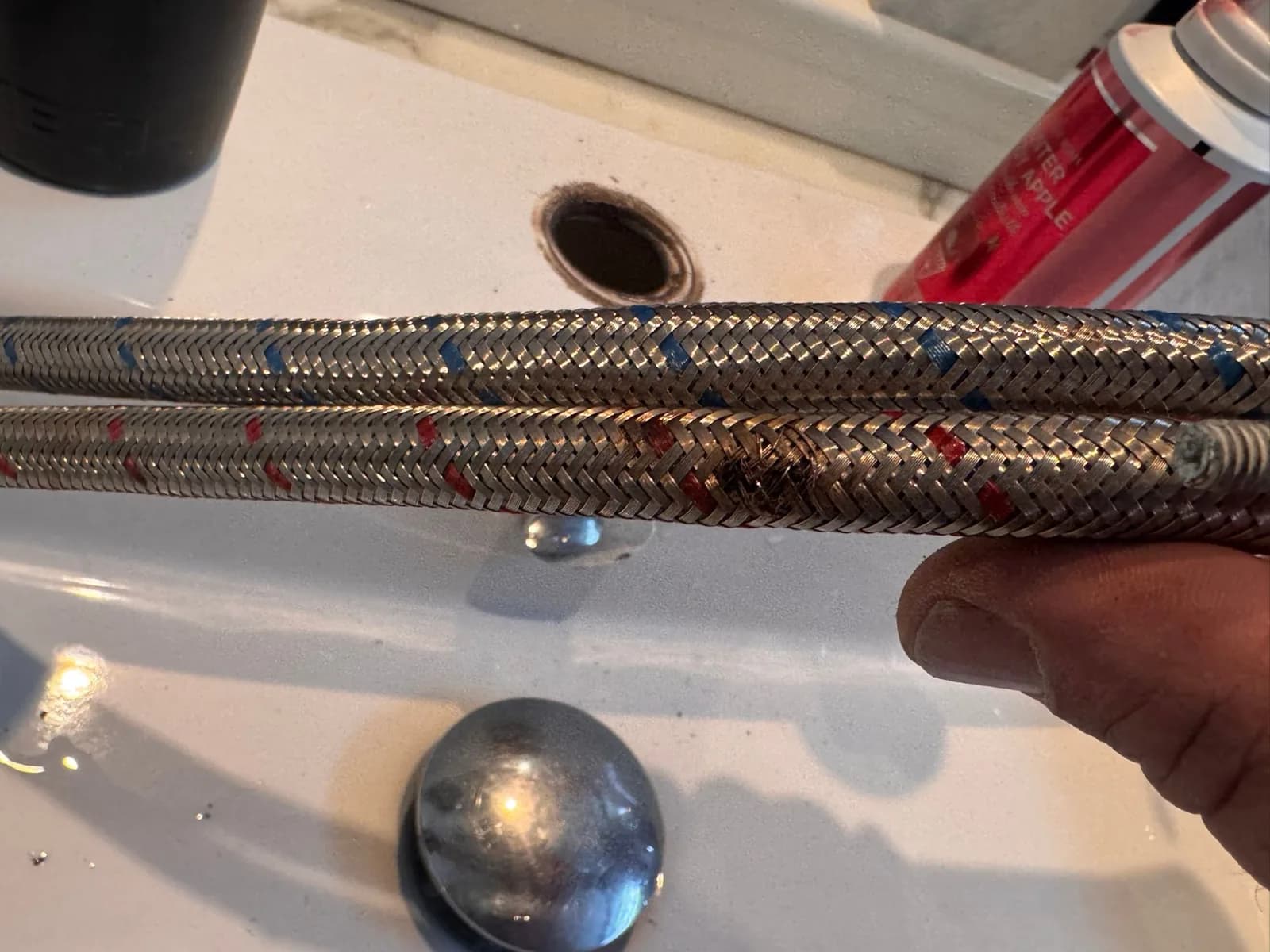
A leak in a strata building rarely stays put. Water from one apartment ends up in the ceiling of the one below, and the first question everyone asks is whose problem it is.
The answer comes down to where the leak starts. This guide covers how the line is usually drawn in NSW and what to do in the first hour. It is general information, not legal advice. Your own strata plan and by-laws have the final say.
Your lot or common property
Every strata building is split into two kinds of property. Lots are the individual apartments or townhouses. Common property is everything else: the structure, the shared spaces, and the services that run through the building.
In NSW, the owners corporation has a legal duty to maintain and repair common property. Lot owners look after what belongs to their lot. So the real question in any leak is which side of that line the faulty pipe or fitting sits on.
Where the line usually falls
Usually common property: pipes that serve more than one lot, such as shared sewer stacks and water risers. Pipes inside the walls, floors and ceilings between apartments. Central hot water plant, and the building’s main water valves.
Usually the lot owner’s: fixtures and fittings inside the apartment that serve only that apartment. Taps and mixers, flexi hoses, toilets and cisterns, an individual hot water unit, and the dishwasher and washing machine connections.
Where the boundary sits depends on the strata plan. In many buildings it is the inner surface of the walls, floors and ceilings, which makes pipes inside them common property. Older plans can draw it differently. Some schemes also have by-laws that make owners responsible for particular items, so check yours or ask your strata manager.
What to do when a leak starts
Stop the water. If the leak is in your apartment, turn off your isolation valve or the apartment’s main tap. If it is coming from above, contact that apartment and the building manager, because stopping it at the source matters most.
Make it safe. Keep clear of wet light fittings and switch off power at the switchboard if you can reach it safely. Our guide to water coming through the ceiling covers the first steps.
Tell your strata manager straight away, in writing if you can, even if you think the leak is yours. Neighbours and insurers will want to know when it was reported.
Take photos of the water, the damage and any failed part before cleaning up, and keep the part if one is replaced.
Don’t repair common property yourself. Repairs to common property generally need the owners corporation’s approval, usually arranged through the strata manager. In a genuine emergency, stopping the water and making things safe comes first.
Finding the source decides it
Most strata leak arguments are really arguments about where the water is coming from. A stain in your ceiling could be the apartment above’s flexi hose, its shower, a shared pipe in the slab, or the roof. Each one points to a different person.
Finding the exact source, without opening up two apartments, is what our leak detection work does. We then report where the fault is and what caused it, so the strata manager has something definite to decide on. Our strata and commercial plumbing team works directly with strata and building managers.
If the cause turns out to be a failing flexi hose, our guide to spotting a failing flexi hose shows what to check in the rest of the building.
Insurance and damage to other apartments
The owners corporation must hold building insurance, which generally covers the building itself, common property and fixtures. Your own contents insurance covers your belongings. Whether a claim is made, and who pays the excess, depends on the cause, the policies and sometimes the by-laws.
Insurers usually want to know what failed and why. A plumber’s report that names the cause and the location makes that much simpler, and our insurance plumbing reports are written for exactly that.
If you can’t agree
Most leaks are settled once the source is known. If an owner and the owners corporation still disagree about who is responsible, NSW Fair Trading offers a strata mediation service, and unresolved disputes can go to the NSW Civil and Administrative Tribunal. Fair Trading’s website also explains owners’ and owners corporations’ responsibilities in more detail.
FAQs
Is a leak from the apartment above my problem or strata’s?
It depends on where the leak starts. If it comes from a fitting that belongs to the apartment above, such as a flexi hose, tap or appliance, that is usually the owner’s responsibility. If it comes from a shared pipe or from inside the floor or walls, it is usually common property and the owners corporation’s. Report it to your strata manager straight away either way.
Can I fix a common property leak myself and send strata the bill?
Generally no. Common property is the owners corporation’s to maintain and repair, so repairs to it need the owners corporation’s approval, usually through the strata manager. In a genuine emergency, stop the water and make it safe, then tell the strata manager straight away.
Who pays for water damage to my apartment from someone else’s leak?
It depends on what caused it, the building insurance held by the owners corporation, your own contents insurance and your scheme’s by-laws. A plumber’s report showing exactly where the leak started is usually what settles it, so keep photos and ask for one.
Leak in a Strata Building?
Mr. Clog finds the source and reports where it is for owners and strata managers across Sydney, with no call-out fee and a fixed price before any work starts.