
Quick Answer
In a NSW rental, the landlord is generally responsible for fixing a blocked drain or toilet, and a blocked toilet counts as an urgent repair. The tenant reports it to the agent or landlord straight away. The tenant may have to pay only if they caused the blockage, for example with wipes, nappies or fat. A plumber’s report on the cause settles it.
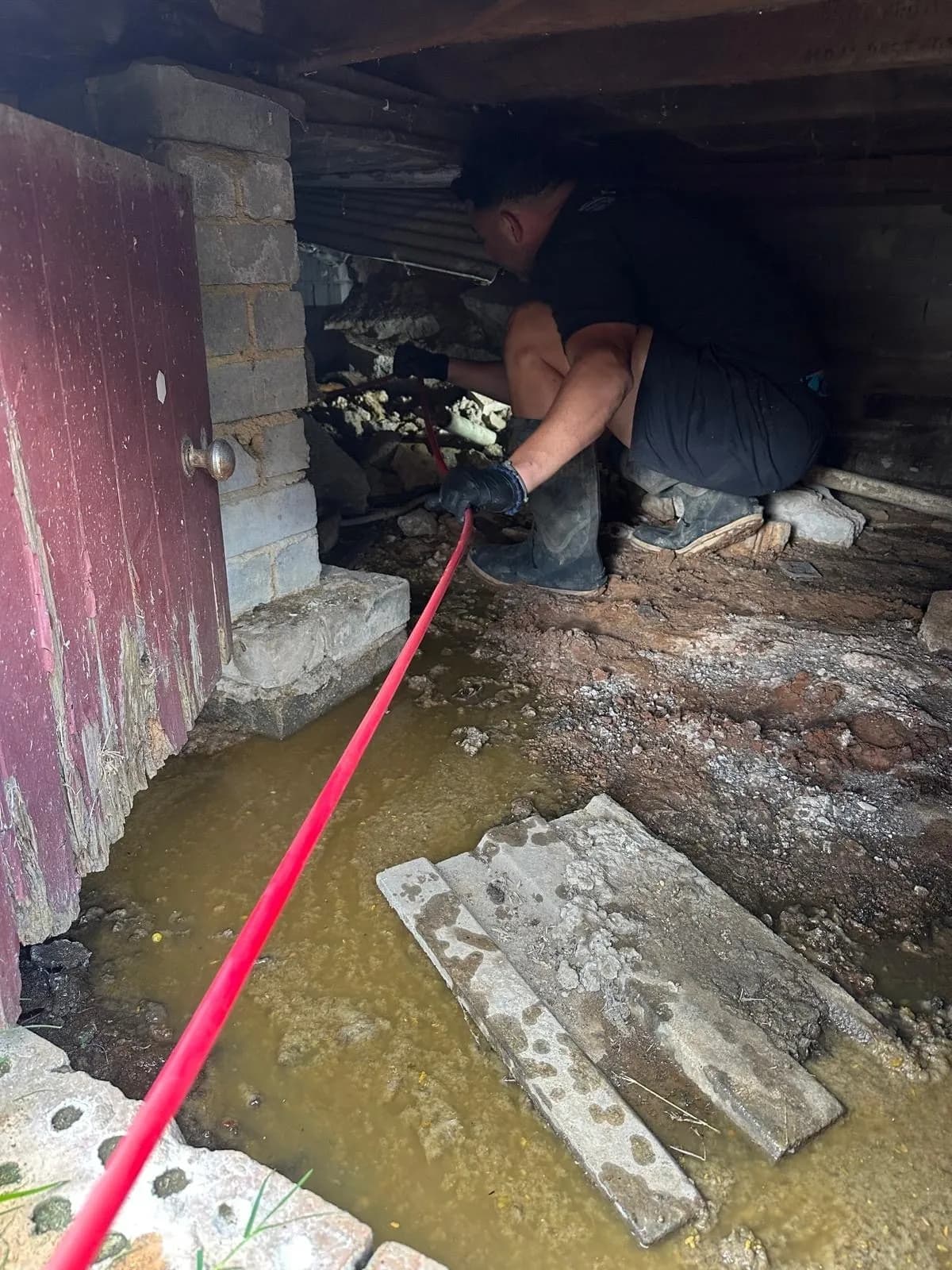
A blocked toilet or a drain backing up is bad enough in your own home. In a rental there is a second question straight away: who calls the plumber, and who pays for it?
In NSW the answer is usually simple, and it depends mostly on one thing: what caused the blockage. This guide covers the general position. NSW Fair Trading publishes the official detail on repairs, and it is worth checking your lease too.
What to do first
Stop using water. Every flush, shower and load of washing adds to what is backing up. If the toilet is about to overflow, turn off the small isolation valve on the wall behind it.
Tell the agent or landlord straight away, by phone and then in writing (an email or text is fine), with the time you noticed it and photos. If sewage is coming up anywhere, say so.
Don’t pour chemicals down. Drain cleaners rarely shift a real blockage, they can damage older pipes, and they make the job dangerous for the plumber who opens the line.
Check the gully outside. If the grate in the yard near the house is overflowing, the blockage is in the sewer line rather than one fixture. Our guide to an overflow relief gully overflowing explains what that grate is for.
Is it an urgent repair?
NSW Fair Trading lists a blocked or broken toilet system as an urgent repair, along with a burst water service, a serious flood or flood damage, and a failure of the water supply. A single slow sink, with a working toilet in the house, is generally not urgent, but it should still be reported.
For urgent repairs, the landlord or agent should arrange a plumber as soon as possible. If you can’t reach them after a reasonable attempt, Fair Trading explains when a tenant can arrange the repair themselves, how much the landlord must reimburse, and what to keep: the plumber’s invoice and a written report of the cause.
Who usually pays
The landlord, as a rule. Keeping the plumbing in reasonable repair is the landlord’s responsibility. Tree roots in the sewer, an old cracked or sagging pipe, a build-up that has been forming for years, and a fault in a shared line are all the landlord’s to fix.
The tenant, if they caused it. Where the blockage is caused by something a tenant put down the toilet or sink, such as wet wipes, nappies, sanitary products, cooking fat or a child’s toy, the landlord may ask the tenant to pay for clearing it.
Sometimes it’s both. Wipes catching on roots in an old clay pipe is common. The roots are the landlord’s problem; the wipes made it block that week. That is where a clear report from the plumber helps everyone.
In a unit block, a blockage in the shared stack or common sewer is usually the owners corporation’s. Our guide to who pays in a strata building covers the same split for leaks.
Finding the cause
Clearing the drain is the urgent part. Finding out why it blocked is what settles who pays and whether it will happen again.
A drain camera shows what was in the line and where: wipes or fat near the house, or roots and a broken joint further out. When we clear a drain in a rental, we tell the agent what we found and can send photos or camera footage, so the owner and the tenant are both working from the same facts.
If the same drain keeps blocking, it is almost never the tenant. A drain that blocks every few months usually has roots or a damaged section that needs repairing, not just clearing. Our guide to tree roots in drains explains why.
For landlords and agents
A blocked toilet reported on a Friday night is still an urgent repair. Having a plumber on file who will deal with the tenant directly, work within an approval limit and send photos with the invoice saves a lot of back and forth.
Our plumbing for property managers page explains how we handle work orders, tenant access and reports for agencies and landlords.
FAQs
Who pays for a blocked drain in a NSW rental?
Generally the landlord, because keeping the plumbing in working order is the landlord’s responsibility. The exception is a blockage the tenant caused, such as wipes, nappies or fat put down the drain, where the landlord may ask the tenant to pay. Tree roots, a broken pipe or an old blockage in the line are the landlord’s.
Is a blocked toilet an urgent repair in NSW?
NSW Fair Trading lists a blocked or broken toilet system as an urgent repair, along with a burst water service, a serious flood and the failure of the water supply. Tell the landlord or agent straight away. If you can’t reach them, Fair Trading explains when a tenant can arrange the repair themselves and be reimbursed.
Can a tenant call a plumber themselves?
For an urgent repair, only after making a reasonable attempt to contact the landlord or agent first. Fair Trading’s rules set out when you can, how much the landlord must reimburse, and what paperwork to keep. For anything that isn’t urgent, ask the agent to arrange it.
Blocked Drain at a Rental Property?
Mr. Clog clears blocked drains and toilets across Sydney for tenants, landlords and agents, with no call-out fee and a fixed price before any work starts.