
Quick Answer
A toilet gurgles when air is being pushed or pulled through the water in the bowl, because it can’t move freely in the pipe. The usual causes are a partial blockage in the toilet’s line, a blocked vent, or a blockage further down the sewer. If it gurgles when other fixtures drain, the problem is in the shared line, not the toilet.
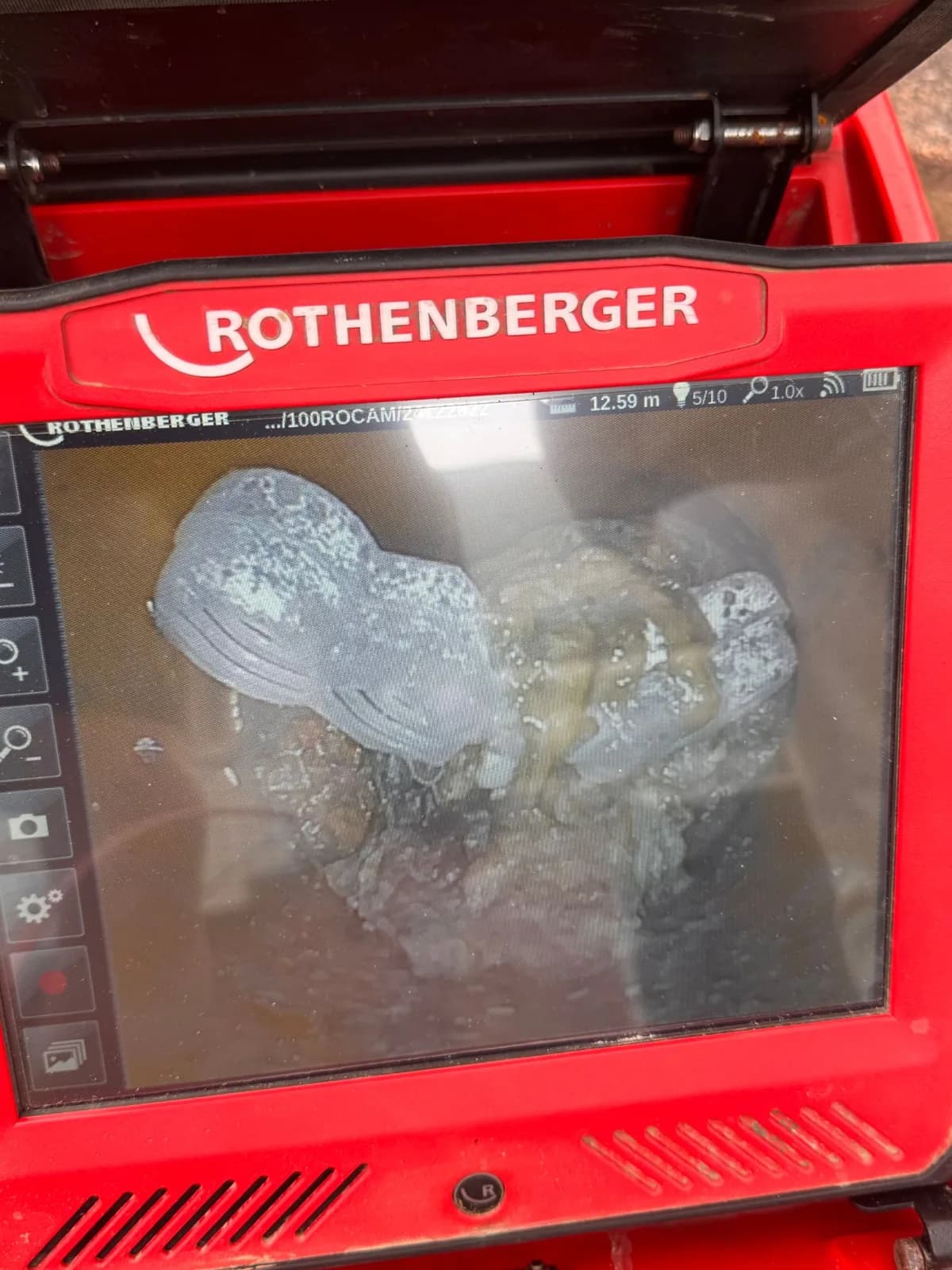
A gurgle from the toilet, when you flush or when someone else in the house runs the shower, is easy to ignore. The toilet still works, after all.
But that noise is the drain telling you something. Most of the time it is an early sign of a blockage forming, and it is far easier to deal with now than when the toilet won’t flush at all.
Why toilets gurgle
Every drain carries air as well as water. As water runs down a pipe, it pushes air ahead of it and pulls air in behind it. In a healthy system, that air moves through the vent pipes that run up to the roof, or through air valves, and you never hear it.
When something narrows the pipe or blocks the vent, the air has to find another way out. The easiest way is up through the water sitting in the toilet bowl, and that bubbling is the gurgle.
When does it gurgle?
When it happens is the best clue to where the problem is.
Only when you flush that toilet, with a slow flush or the bowl filling higher than usual first: the problem is probably close by, in the toilet’s own pipe.
When the shower, bath, basin or washing machine drains: the toilet shares a pipe with them further down, and the problem is in that shared section.
When several fixtures are slow or gurgling at once, or the grate in the yard has overflowed: the problem is in the main sewer line from the house.
On windy days, or with no pattern at all: often the vent rather than a blockage.
A partial blockage
This is the most common cause. Toilet paper building up, wet wipes, or something that shouldn’t have been flushed narrows the pipe without closing it. Water still gets past, slowly, and air gets trapped behind it.
If the gurgling comes with a slow flush, a plunger may clear a blockage in the toilet itself. Use a toilet plunger with a flange, make a good seal and push gently at first. If the problem is further down the line, a plunger won’t reach it. Our guide to why a toilet keeps blocking covers what tends to cause repeat blockages.
A blocked vent
Most houses have a vent pipe that runs up through the roof, and many newer homes and renovations also have air admittance valves, small one-way valves under a basin or in a wall. Leaves, a bird’s nest or a failed valve can stop air getting in.
A vent problem often shows as gurgling across several fixtures with no slow draining, sometimes with a sewer smell inside. Don’t climb onto the roof to check: a plumber can test and clear the vent safely.
If the gurgling started after a bathroom or laundry renovation, the new work may not be vented properly. That is worth raising with whoever did the job, because it won’t fix itself.
The sewer line
When the blockage is in the main line between the house and the sewer, every fixture drains into it, so the gurgling spreads. In older Sydney suburbs, tree roots through the joints of clay pipe are the usual cause, and they get worse over time.
Check the overflow relief gully, the grate in the ground near the house. If it is wet, smelly or has overflowed, the sewer line is involved. Our guide to an overflow relief gully overflowing explains what it means and what to do.
A toilet that only gurgles during heavy rain is a different clue. It usually means stormwater is getting into the sewer somewhere, through a broken pipe or a downpipe connected where it shouldn’t be, and the line is filling up.
When to call a plumber
Call when the gurgling is getting worse, when it comes with slow drains in more than one place, when a plunger hasn’t helped, or when there is a sewer smell. Don’t pour drain cleaner into a toilet: it rarely shifts a real blockage and makes the line dangerous for whoever opens it next.
We find the cause with a drain camera, so you know whether it is a quick clear, a vent, or roots that will keep coming back, before you pay for a fix. Our blocked toilet service starts there.
FAQs
Why does my toilet gurgle when I flush?
Usually because air can’t move freely in the pipe. A partial blockage in the toilet’s own line, or a blocked vent, makes air bubble back up through the water in the bowl as the flush goes down. If the flush is also slow or the water level in the bowl drops afterwards, a partial blockage is the most likely cause.
Why does my toilet gurgle when the shower or washing machine drains?
Because they share a pipe further down. Water from the shower or machine pushes air ahead of it, and if the shared line is partly blocked or poorly vented, that air escapes through the toilet. It usually means the problem is in the drain line beyond the toilet, not in the toilet itself.
Is a gurgling toilet serious?
On its own, not urgent, but it is an early warning. Gurgling often comes before a drain blocks completely. If it is getting worse, other fixtures are slow too, or the gully outside has overflowed, get the line checked before it backs up.
Toilet Gurgling or Slow to Flush?
Mr. Clog finds the cause on camera and clears it, across Sydney, with no call-out fee and a fixed price before any work starts.