
Quick Answer
Repair a toilet when the fault is a part: a valve, seal, connector, hose or seat. Replace it when the porcelain is cracked, parts are no longer made, it is an old single-flush model you want off your water bill, or it is part of a renovation. Before buying a new one, check whether yours is an S-trap or P-trap and measure where the outlet sits, because the new toilet has to fit it.
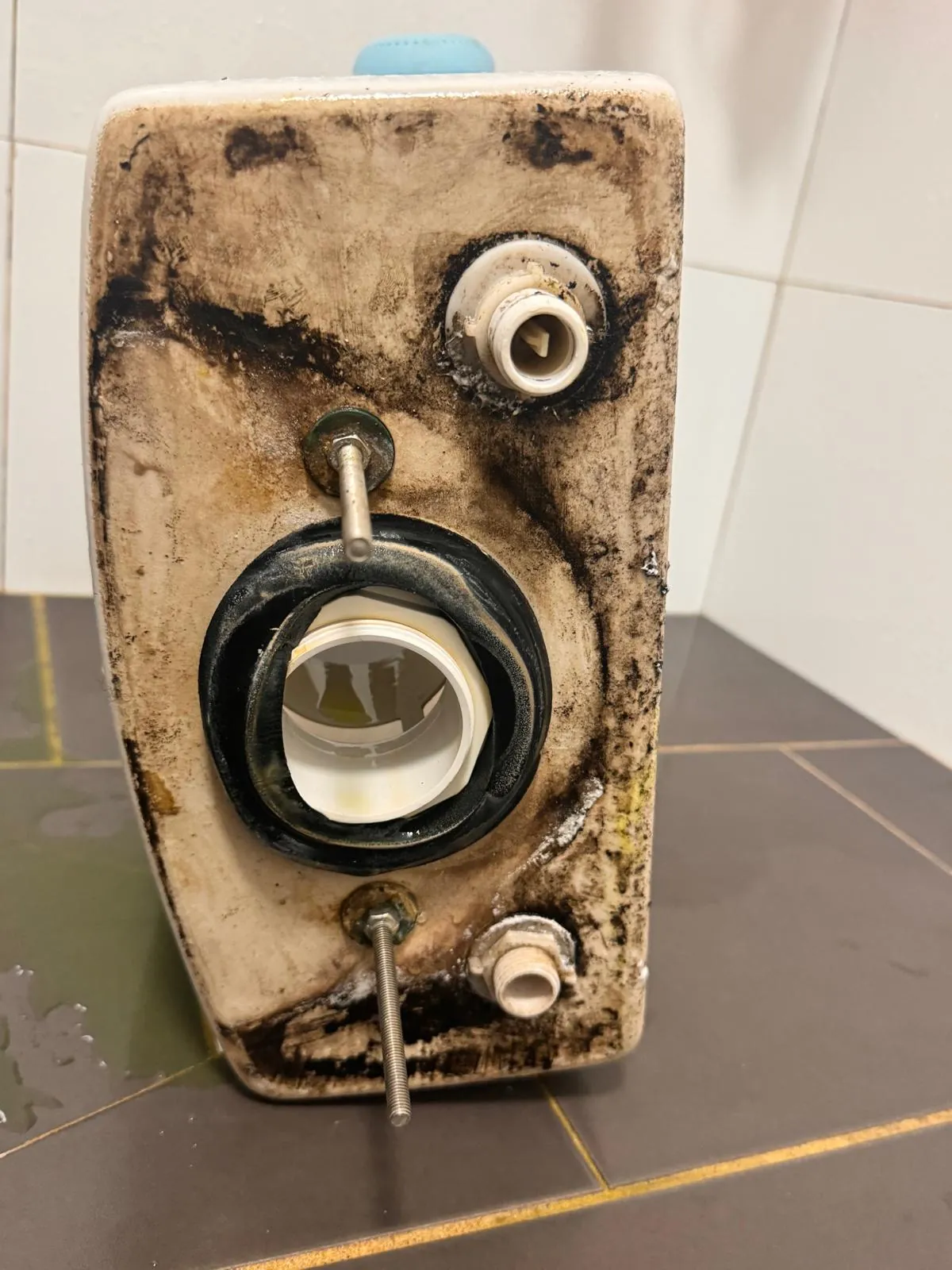
When a toilet starts running, leaking or flushing badly, it is tempting to assume the whole thing needs replacing. Most of the time it doesn’t. A toilet is mostly porcelain, which lasts for decades, plus a handful of parts that wear out and can be replaced.
The trick is telling a worn part from a toilet that has genuinely reached the end. Here is how we decide.
Usually worth repairing
A running or refilling cistern. Almost always a worn flush valve seal or an inlet valve that will not shut off. Both are replaceable. Our guide to why a toilet keeps running walks through them.
A leak at the base. Usually the seal between the cistern and pan, the connector to the drain, or the supply hose, not the toilet itself. Our guide to a toilet leaking at the base covers how to tell which.
A weak or double flush. Often a flush valve that needs adjusting or replacing, or a partial blockage further down the line.
A loose or rocking pan. Usually fixings that have worked loose. It is worth fixing promptly, because a rocking pan can crack its seal to the drain.
A broken seat or flush button. Both are replaceable on most toilets.
If your toilet has one of these faults and the porcelain is sound, repairing it is nearly always the cheaper option.
Signs a toilet needs replacing
Cracked porcelain. A crack in the pan or cistern cannot be reliably repaired and can open up without warning. A cracked pan below the waterline should be replaced.
Parts are no longer made. Some older and discontinued toilets take parts that are no longer available. When a repair is not possible, replacement is the practical answer.
An old single-flush toilet. Older single-flush toilets can use around 11 litres every flush. A modern 4-star dual flush suite typically uses 4.5 litres for a full flush and 3 litres for a half flush.
Repeated faults. If the same toilet has needed several repairs in a short time, a new suite with all new parts and seals can be better value than the next repair.
A renovation. If the bathroom is being redone, it is the natural time to change the toilet, especially if you want a different style. Our bathroom renovation work covers the plumbing for it.
If only the cistern is the problem, it can sometimes be replaced on its own and the pan kept. Our toilet cistern replacement page explains when that works.
Before you buy: S-trap or P-trap?
This is the step that catches people out. Every toilet connects to the sewer in one of two ways, and the new one has to match the drain you already have.
S-trap: the outlet goes down into the floor. This is common in houses built on a slab or with a floor waste directly under the toilet.
P-trap: the outlet goes back into the wall behind the toilet. This is common in apartments and in homes where the drain runs inside the wall.
For an S-trap, the measurement that matters is the set-out: the distance from the wall behind the toilet to the centre of the outlet in the floor. For a P-trap, it is the height of the outlet in the wall. Toilet suites list the set-out range they suit, and the wrong one will not line up with your drain.
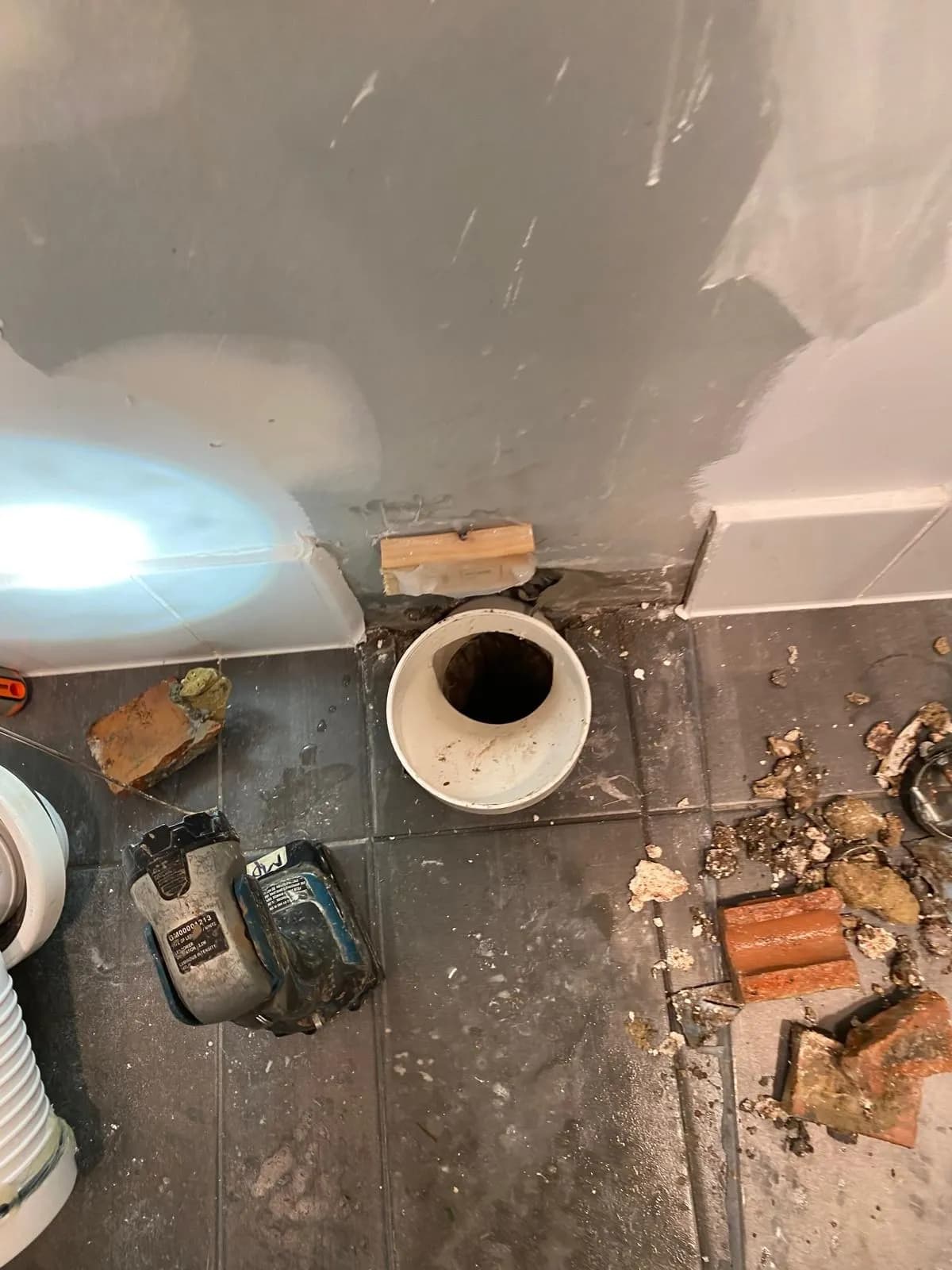
If you are not sure, take a photo of the base of your toilet from the side, or ask us to measure when we quote. Changing a drain from one type to the other is possible, but it is a bigger job than a straight swap.
Choosing a type
Close-coupled: the cistern sits directly on the back of the pan. The most common type in Sydney homes, and usually the simplest swap.
Wall-faced (back-to-wall): the pan sits flush against the wall, hiding the connection. Cleaner to look at and clean around, but the pan has to suit your outlet position closely.
In-wall cistern with a wall-hung or floor pan: the cistern is hidden in the wall, and only the flush plate shows. This needs the wall opened and a frame installed, so it is normally done as part of a renovation.
Whatever you choose, check the WELS star rating on the label. More stars means less water per flush.
What replacement involves
A straight swap is usually done in a single visit. The water is turned off at the isolation valve, the old toilet is disconnected and lifted out, and the drain connection and the floor underneath are checked. The new pan goes in with a new connector to the drain, the cistern is fitted, and it is connected to the water supply with a new flexible hose. Then it is flush-tested for leaks.
Replacing a toilet means connecting to both the water supply and the sewer. In NSW, that is work for a licensed plumber.
FAQs
How do I know if my toilet is an S-trap or a P-trap?
Look at where the toilet’s outlet goes. If it disappears into the floor, it is an S-trap. If it goes back into the wall behind the toilet, it is a P-trap. A new toilet has to suit the one you have, or the drain has to be changed to suit the new toilet.
Can I replace a toilet myself in NSW?
No. Replacing a toilet involves connecting to the water supply and the sewer, which is work for a licensed plumber in NSW. Homeowners can replace some cistern washers and the toilet seat.
Is it worth replacing an old single-flush toilet that still works?
Often, yes. Older single-flush toilets can use around 11 litres every flush, while a modern 4-star dual flush suite typically uses 4.5 or 3 litres. In a busy household, the saving on water adds up, and a new suite usually comes with new seals and fittings too.
Not Sure Whether to Repair or Replace?
Mr. Clog repairs and replaces toilets across Sydney and tells you which makes sense, with no call-out fee and a fixed price before any work starts.